What is Oligohydramnios?
Oligohydramnios is a condition where there is too little amniotic fluid around a baby during pregnancy. Amniotic fluid helps protect the baby and supports healthy growth. When the fluid is low, it can cause health problems for both mother and baby. Doctors often call this condition “low amniotic fluid in pregnancy.” It is important to know the signs and understand how it is diagnosed and treated. Early detection can help keep both mother and baby safe.
Causes of Oligohydramnios
There are several reasons why someone may have oligohydramnios. Sometimes, the cause is not clear. However, the following are common causes:
In some cases, more than one factor may be involved. Therefore, regular check-ups are important during pregnancy.
Symptoms and Signs
Oligohydramnios may not always cause clear symptoms. Still, some signs can alert you to a problem. Watch for the following:
Sometimes, there are no symptoms. For this reason, doctors often find oligohydramnios during routine ultrasound exams.
Diagnosis
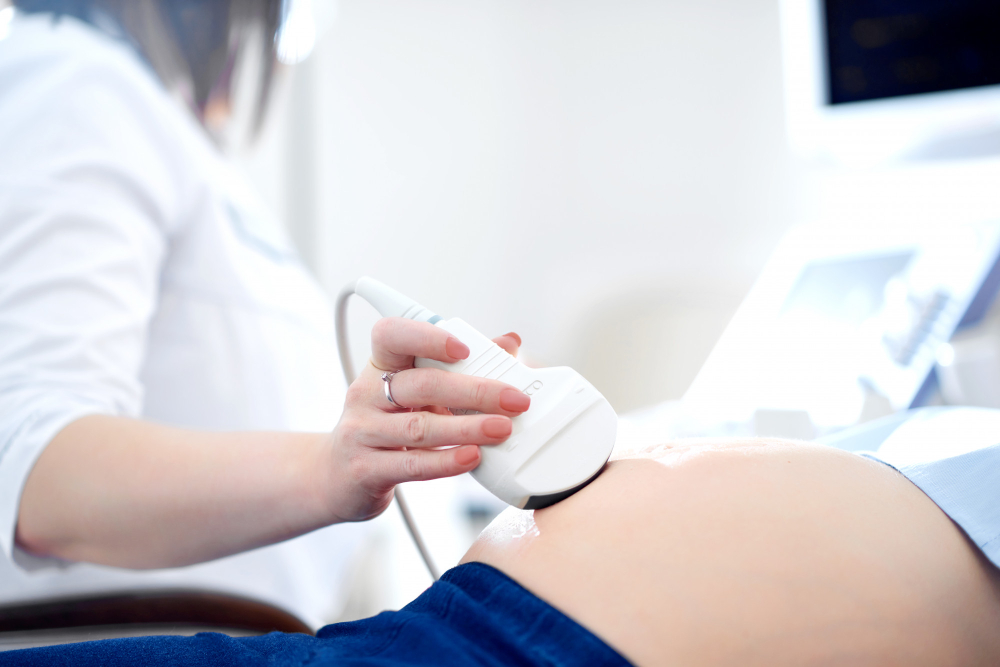
Doctors use several methods to diagnose oligohydramnios. First, they may notice a smaller belly size during a check-up. Next, they often use an ultrasound to measure the amount of amniotic fluid. This test is safe and painless. The most common way to measure is called the “amniotic fluid index” or AFI. If the AFI is low, it suggests oligohydramnios. Sometimes, doctors use other tests to check the baby’s health. These may include a non-stress test or a biophysical profile. Early diagnosis helps guide the best care for mother and baby.
Treatment Options
Treatment for oligohydramnios depends on how far along the pregnancy is and how severe the condition is. Some common options include:
Doctors will discuss the best plan for each person. In many cases, close monitoring is enough. However, sometimes more active treatment is needed.
Prevention and Lifestyle Tips
While not all cases can be prevented, some steps may help lower the risk of oligohydramnios:
Staying healthy during pregnancy can help protect both mother and baby. Even so, some cases cannot be avoided. Therefore, regular check-ups are key.
When to See a Doctor
It is important to contact your doctor if you notice any of the following:
Early action can help prevent problems. If you have concerns about low amniotic fluid in pregnancy, do not wait to seek help.
In summary, oligohydramnios can be serious but is often manageable with early care. Consult a healthcare specialist for personalized advice about oligohydramnios.