
When we talk about PCOD treatments, it’s essential to look at all available options for long-term relief. This blog will explore various effective approaches. From lifestyle adjustments to medical interventions, we’ll cover what you need to know to manage your condition more effectively.
Introduction to PCOD
Polycystic Ovary Syndrome (PCOD) is a condition affecting many women worldwide. It imbalances hormones and often leads to difficulties such as irregular periods, weight gain, and fertility issues. Understanding how PCOD impacts one’s life is crucial. This disorder not only affects physical health but can also disrupt mental well-being. Given these significant challenges, it’s vital to discuss various PCOD treatments. The right approach can lead to sustainable and long-term relief.
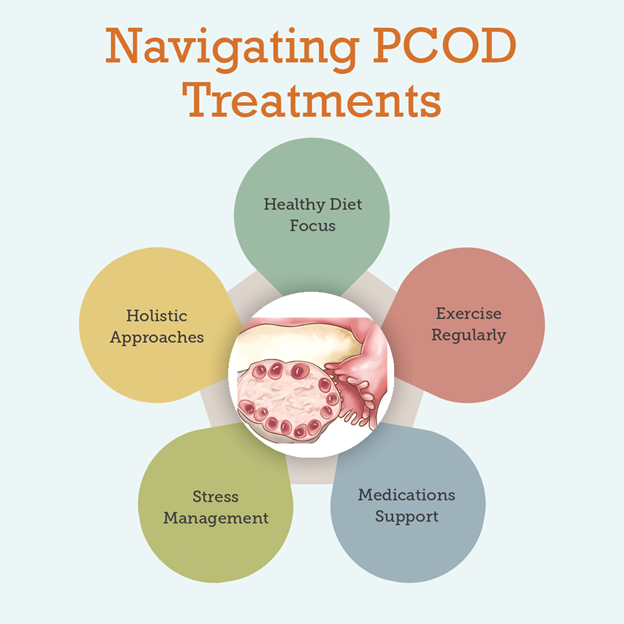
Lifestyle choices, in particular, play a significant role. They can heavily influence outcomes for someone dealing with PCOD. Proper management can improve quality of life and provide relief from persistent symptoms.
Understanding PCOD
At its simplest, Polycystic Ovary Syndrome (PCOD) is a health problem that affects a woman’s hormone levels. This leads to symptoms such as irregular menstrual cycles, excessive hair growth, acne, and weight issues. Many young women and teens experience these troubling symptoms, making early detection important.
The condition can also complicate fertility. It often leads to challenges when trying to conceive. Additionally, mental health can suffer due to emotional strain. The effects of PCOD extend beyond just physical symptoms, which is why addressing it early is vital.
Importance of Early Treatment
Leaving PCOD untreated can increase the risk of developing other health issues, like type 2 diabetes and heart disease. Starting treatment early can help prevent complications and improve long-term health outcomes.
Active management includes adopting healthier lifestyle habits and following medical advice. Early intervention not only reduces the risk of severe problems but also improves the overall quality of healthcare. Tackling PCOD treatments early can make a world of difference in how one lives with the condition.
Lifestyle Changes for Long-Term Relief
Lifestyle changes can be game-changers for PCOD treatments:
- Focus on a balanced diet, low in sugar and high in fiber.
- Follow a regular exercise plan.
- Engage in stress-reducing activities, like yoga and meditation.
These adjustments are effective steps toward managing symptoms and achieving long-term relief.
Medical Management Options
Turning to medical management, there are several PCOD treatments worth considering:
- Hormonal birth control can help regulate menstrual cycles.
- Insulin-sensitizers, such as metformin, work by improving insulin levels.
- Ovulation medicines, like clomiphene citrate, aid in fertility.
These options provide hormonal balance and stabilize symptoms.
Cosmetic Solutions
Cosmetic concerns often accompany PCOD. Solutions to manage symptoms include:
- For hirsutism (excess hair): shaving, laser treatments, or electrolysis.
- For acne: topical treatments and skincare routines.
- Confidence-boosting facials and therapies can also enhance self-esteem.
These treatments contribute to both physical comfort and self-image.
Approaches to Enhance Fertility
For women struggling with fertility, certain PCOD treatments can help:
- Fertility drugs stimulate ovulation.
- Risks and benefits of medications should be considered with healthcare providers.
- Minor surgeries might be recommended if first-line treatments fail.
Such interventions help many women achieve successful pregnancies when facing PCOD.
Surgical Interventions
In terms of surgery, Laparoscopic Ovarian Drilling (LOD) is often suggested. It can induce ovulation by reducing male hormone levels. While effective, surgery should be reserved for those who haven’t benefited from other treatments.
Surgical interventions come with pros and cons. Consult healthcare providers to determine if they are necessary for symptom relief.
Living with PCOD: Practical Day-to-Day Tips
Managing PCOD requires a supportive environment:
- Build a reliable support system with family or online communities.
- Keep track of symptoms and adjust treatment plans accordingly.
- Prepare a list of questions and bring them to doctor visits.
Everyday strategies help better manage the condition.
Success Stories from India
From Kannada to Telugu and Tamil regions, many women have succeeded in managing PCOD with the right approach. Personal success stories inspire by showing how different PCOD problem solutions have provided relief. Exploring regional experiences helps forge a path for individual treatment that works.
Understanding stories from different cultural contexts can be a source of comfort and inspiration.
Stress Management and Mental Well-being
Stress heavily influences PCOD symptom severity. Managing stress effectively is important through:
- Mindfulness exercises and breathing techniques
- Participating in activities like yoga
Improving mental well-being helps ease physical symptoms of PCOD.
Navigating Indian Healthcare for PCOD
Finding expert healthcare is essential for effective PCOD treatment:
- Locate gynecologists experienced in treating PCOD.
- Work with endocrinologists for a well-rounded plan.
- Recognize differences in treatment quality across health institutions.
Awareness and informed choices can make healthcare more effective.
Understanding Untreated PCOD Consequences
Avoiding treatment for PCOD can lead to long-term health issues:
- Complications such as infertility and chronic conditions may arise.
- Consistent health checks help manage these risks.
- Promoting societal awareness is key to encouraging treatment and reducing stigma.
Informed action plays a critical role in maintaining long-term health.
Advancements in PCOD Research
Ongoing research continues to provide hope:
- Therapies are emerging, expanding existing options.
- New scientific discoveries show promising results.
- Patient-centric innovations are on the horizon, aspiring to make PCOD treatments more efficient.
Staying informed can help make better treatment choices.
Exercise and PCOD Management
Physical activity is vital in managing PCOD:
- Engage in both strength and aerobic exercises.
- Exercise helps in regulating hormones naturally.
- Tailor workouts to fit individual fitness levels.
Being active is central to effective PCOD management.
Building a Long-Term Management Plan
A solid management plan keeps you on track:
- Attend regular medical follow-ups.
- Adjust treatments as lifestyle or needs change.
- Long-term management minimizes future setbacks and promotes stability.
A proactive plan remains key to successful PCOD management.
Conclusion and Encouragement
To tackle PCOD, remember there are personalized solutions available. A positive attitude towards managing PCOD makes a significant impact. Whether pursuing lifestyle changes or medical treatments, seeking out individual plans is crucial. Lead a fulfilling life with awareness and determination and find what works best for you.