What is a Laparoscopic Hysterectomy?
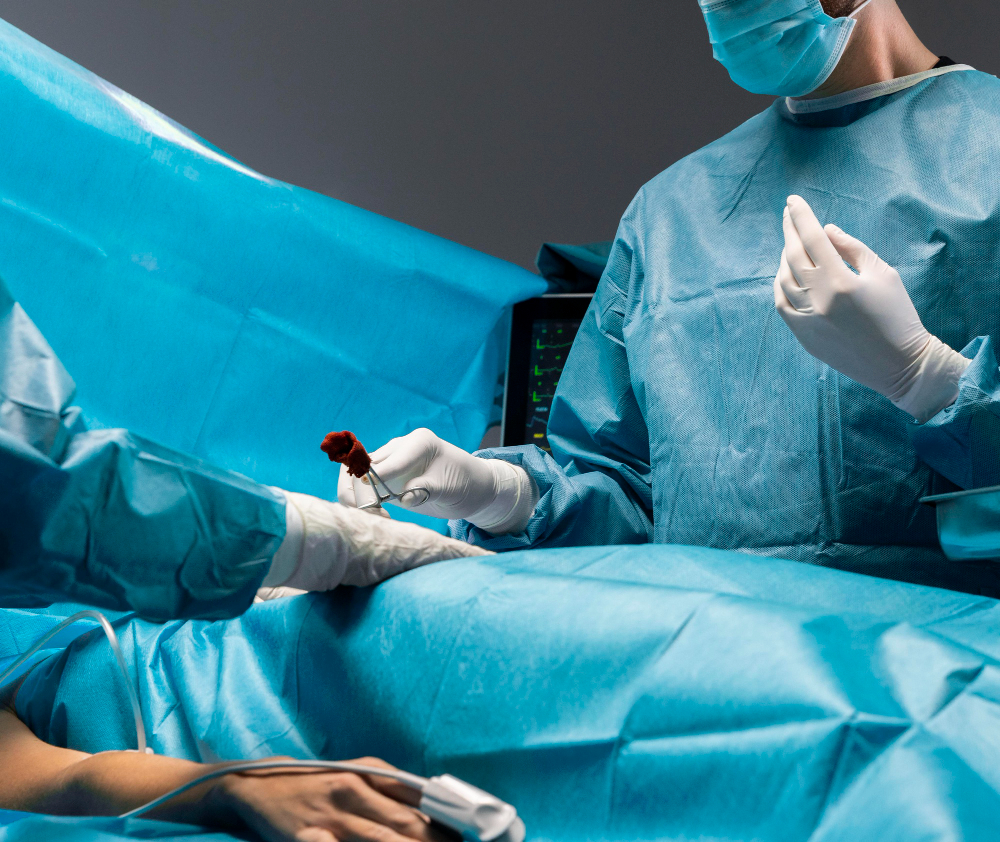
A laparoscopic hysterectomy is a type of minimally invasive gynecological surgery. In this procedure, a doctor removes the uterus using small cuts in the belly. Instead of a large cut, the surgeon uses a thin tube with a camera, called a laparoscope. Because of this, the surgery often causes less pain and helps patients heal faster. Many women in the United States choose this method when a hysterectomy is needed.
Common Reasons for Laparoscopic Hysterectomy
Doctors may suggest a laparoscopic hysterectomy for several reasons. Often, this surgery is chosen when other treatments have not worked. Some common reasons for laparoscopic hysterectomy include:
Because this approach is less invasive, it is often preferred when possible.
Symptoms and Conditions Leading to Surgery
Many women experience symptoms that may lead to a hysterectomy. For example, you might have:
Sometimes, these symptoms are caused by conditions like fibroids or endometriosis. If medicines or other treatments do not help, your doctor may recommend surgery. In some cases, cancer or the risk of cancer makes a hysterectomy necessary.
Benefits of Laparoscopic Approach
There are many benefits to choosing a minimally invasive hysterectomy. For instance, patients often experience:
Because the cuts are small, healing is usually quicker. Also, many women feel more comfortable with this option compared to open surgery.
How is the Procedure Performed?
During a laparoscopic hysterectomy, the doctor makes a few small cuts in the belly. Next, a thin tube with a camera is placed through one cut. Then, special tools are used through the other cuts to remove the uterus. Sometimes, the ovaries or fallopian tubes are also removed if needed. The doctor watches the surgery on a screen, which helps guide the tools. Because the cuts are small, there is less bleeding and pain.
Recovery and Aftercare
After a minimally invasive hysterectomy, most women go home the same day or the next day. Recovery is usually faster than with open surgery. However, you should still rest and avoid heavy lifting for a few weeks. Most women can return to normal activities within two to four weeks. Your doctor will give you instructions on caring for your cuts and signs to watch for, such as fever or heavy bleeding. Because every person heals differently, always follow your doctor’s advice.
Risks and Considerations
Like any surgery, a laparoscopic hysterectomy has some risks. For example, you may experience:
Although these risks are low, it is important to talk with your doctor. They will help you understand if this surgery is right for you. In some cases, a different type of hysterectomy may be safer.
In summary, a laparoscopic hysterectomy is a safe and effective option for many women. It is often chosen for its quick recovery and smaller scars. However, every person’s needs are different. Consult a gynecologist for personalized advice about laparoscopic hysterectomy.